12 Ga Steel Thickness In Inches
Have you ever been browsing through a hardware store, perhaps eyeing a new workbench or a sturdy set of shelves, and seen specifications like "12 Ga Steel" and wondered, "What on earth does 'Ga' mean, and why should I care?" Well, you're not alone! It might sound like a super technical term, but understanding something as simple as 12 Ga steel thickness in inches can actually unlock a fascinating new perspective on the world around us, from the appliances in your kitchen to the tools in your garage. It's not just about numbers; it's about understanding strength, durability, and smart design choices.
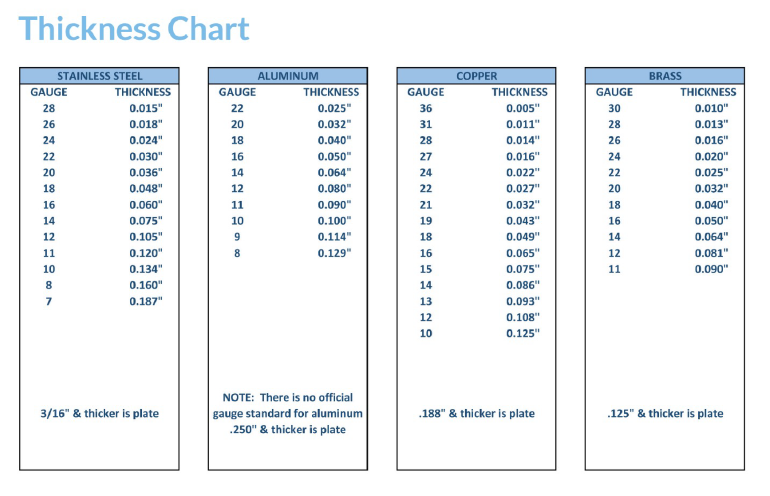
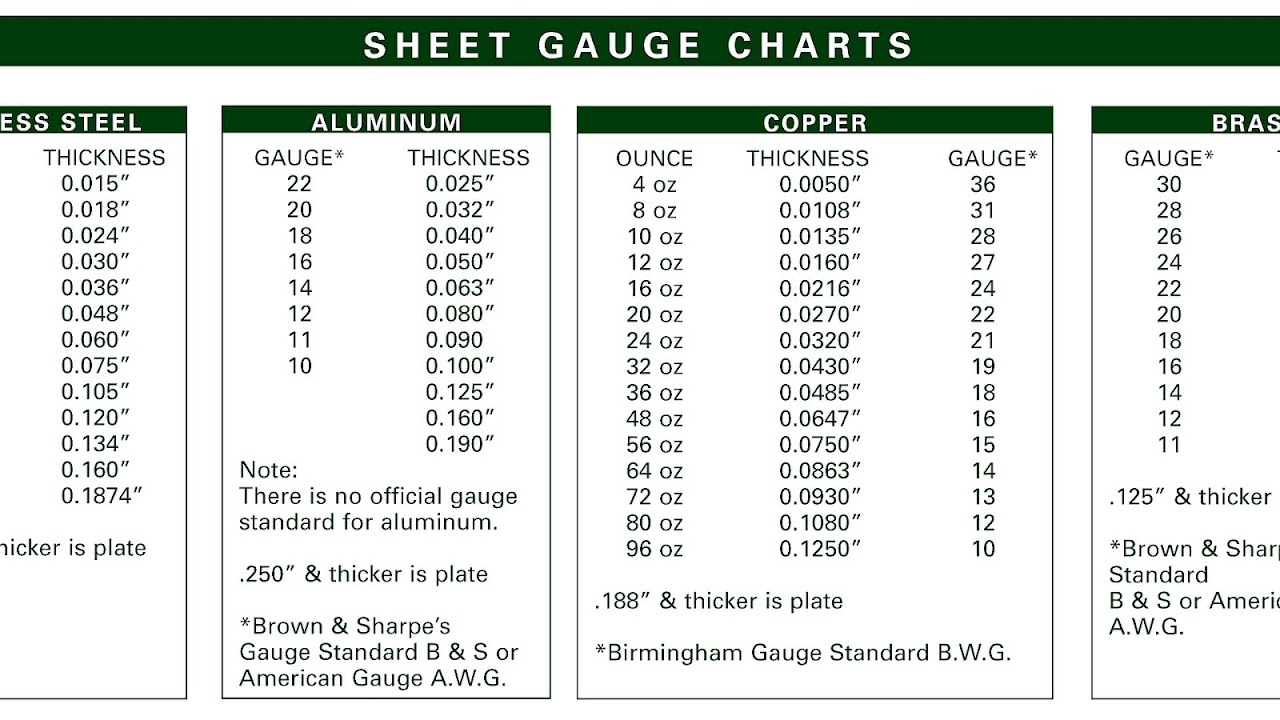
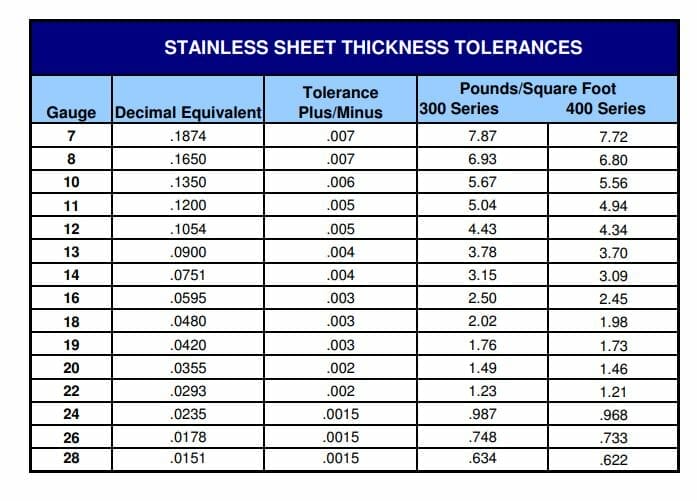
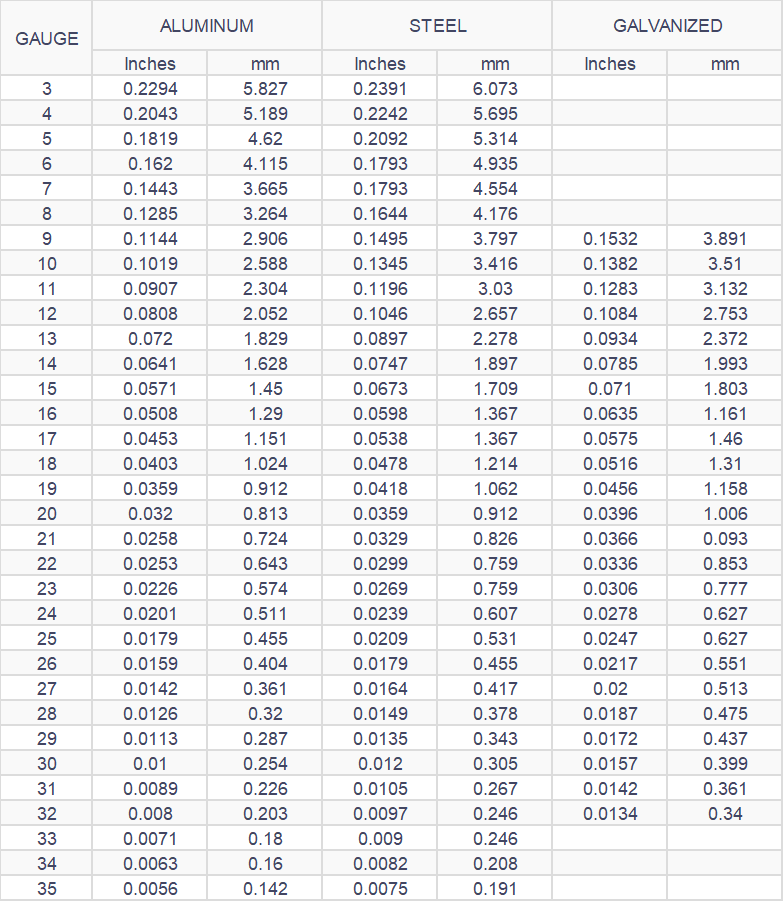
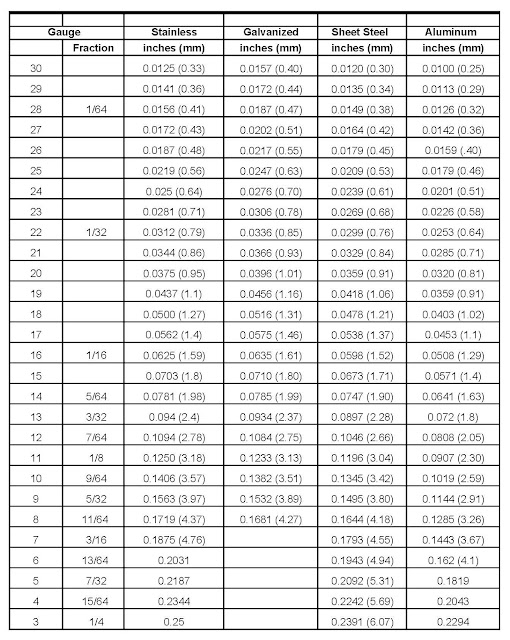
At its heart, "Ga" stands for gauge, and it’s a standard way to measure the thickness of sheet metal. Here's the quirky bit: with gauges, the smaller the number, the thicker the metal. So, a 16-gauge steel sheet is thinner than a 12-gauge one. Our star today, 12 Ga steel, clocks in at approximately 0.1046 inches thick. To put that into perspective, it's a little over one-tenth of an inch – roughly the thickness of two stacked quarters, or a substantial credit card. This particular thickness is a real sweet spot, offering a robust blend of strength without becoming excessively heavy or difficult to work with.
So, what’s the big deal about knowing this specific thickness? Well, it's all about purpose and benefits. Choosing the right gauge for a project or product is crucial for its longevity and performance. When manufacturers opt for 12 Ga steel, they're typically aiming for significant durability and rigidity. This thickness is excellent for resisting dents, bending under moderate loads, and generally standing up to wear and tear. Imagine building a heavy-duty storage rack; you wouldn't want it made from flimsy metal that sags under the weight of your tools. That's where 12 Ga steps in, providing the necessary backbone. It strikes a fantastic balance between being strong enough for serious applications and still being manageable for fabrication and installation, making it a cost-effective choice for many uses.
Must Read
You'd be surprised how often 12 Ga steel makes an appearance in our daily lives! Think about some of the more robust items you interact with. Many commercial-grade metal shelves and workbenches, designed to hold substantial weight in workshops or garages, often feature components made from 12 Ga steel. Certain parts of heavy-duty appliances, like the frames or structural elements of industrial washing machines or refrigerators, might also leverage this thickness for added stability. Even in construction, you might find 12 Ga steel in things like metal studs for non-load-bearing walls in commercial buildings, or in various brackets and supports where resilience is key. In an educational setting, students in metalworking or vocational shop classes might work with 12 Ga steel for projects that require a balance of formability and strength, learning firsthand about its properties.
Curious to explore this a bit more yourself? It’s surprisingly easy! Next time you're at a local hardware store or a metal supply shop, ask to see different gauges of sheet metal. Feel the difference between a 20 Ga (much thinner) and a 12 Ga piece. You'll immediately notice the increased rigidity and weight. Pay attention to product specifications when you're shopping for things like utility cabinets, toolboxes, or even outdoor grills – often, the higher quality, more durable options will proudly list their use of thicker gauge steel. You can also hop online and watch some DIY fabrication videos; many hobbyists and professionals alike demonstrate projects using various gauges, giving you a visual sense of how each thickness behaves. Understanding 12 Ga steel isn't just about a number; it’s about appreciating the material science that makes our world strong and reliable, one durable inch at a time.