1045 Quenched And Tempered Steel Properties

Hey there, steel enthusiast! Ever heard of 1045 quenched and tempered steel? No? Well, grab a virtual cup of coffee (or tea, if you're fancy) and let's dive into the wonderfully robust world of this metal marvel. It's not as intimidating as it sounds, promise!
What IS 1045 Steel, Anyway?
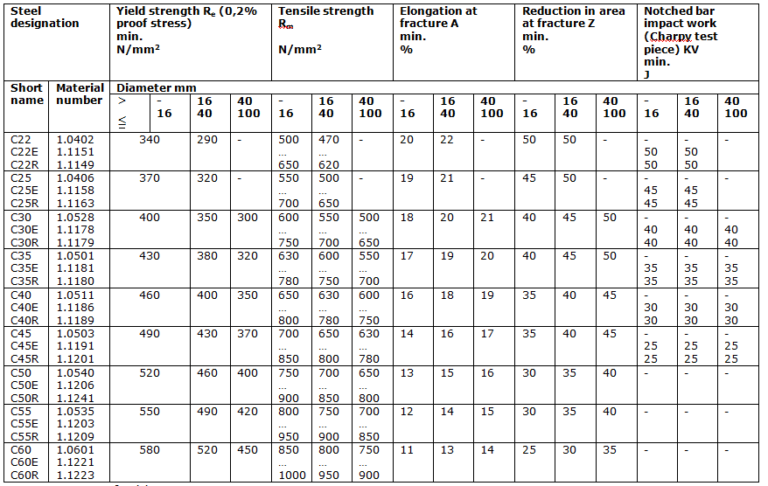
Think of 1045 steel as a pretty solid, mid-carbon steel. The "10" part in "1045" simply means it’s a plain carbon steel. The "45" indicates it has roughly 0.45% carbon content. This carbon content is key to its strength and hardness. More carbon generally means more strength, but also potentially less weldability – it's always a balancing act!
Now, what's this "quenched and tempered" business all about? Good question! That's where the magic happens.
Must Read
Quenching: From Hot to Cool… Quickly!
Quenching is basically like giving the steel a very cold shower. After being heated to a specific temperature, it's rapidly cooled, usually in water or oil. This rapid cooling process dramatically increases its hardness, making it super tough. But… it can also make it brittle, like a grumpy cat after a bath.
Think of it like this: Imagine you're baking cookies. You take them out of the oven (hot steel) and immediately stick them in the freezer (quenching). They'd get hard quickly, but probably crack if you tried to bend them!
Tempering: The "Chill Out" Phase
This is where tempering comes in. Tempering is like sending that grumpy, brittle cat to a spa. After quenching, the steel is heated again, but to a much lower temperature. This process reduces some of the hardness, but significantly increases its ductility and toughness. Ductility means it can bend without breaking, and toughness means it can absorb energy without fracturing.
Back to our cookie analogy: Tempering is like letting those frozen cookies thaw slightly. They're still firm, but they're not going to shatter if you pick them up.
Key Properties: The Good Stuff
Okay, let's get down to the nitty-gritty. What exactly makes 1045 quenched and tempered steel so awesome? Well, here are some of its stellar properties:

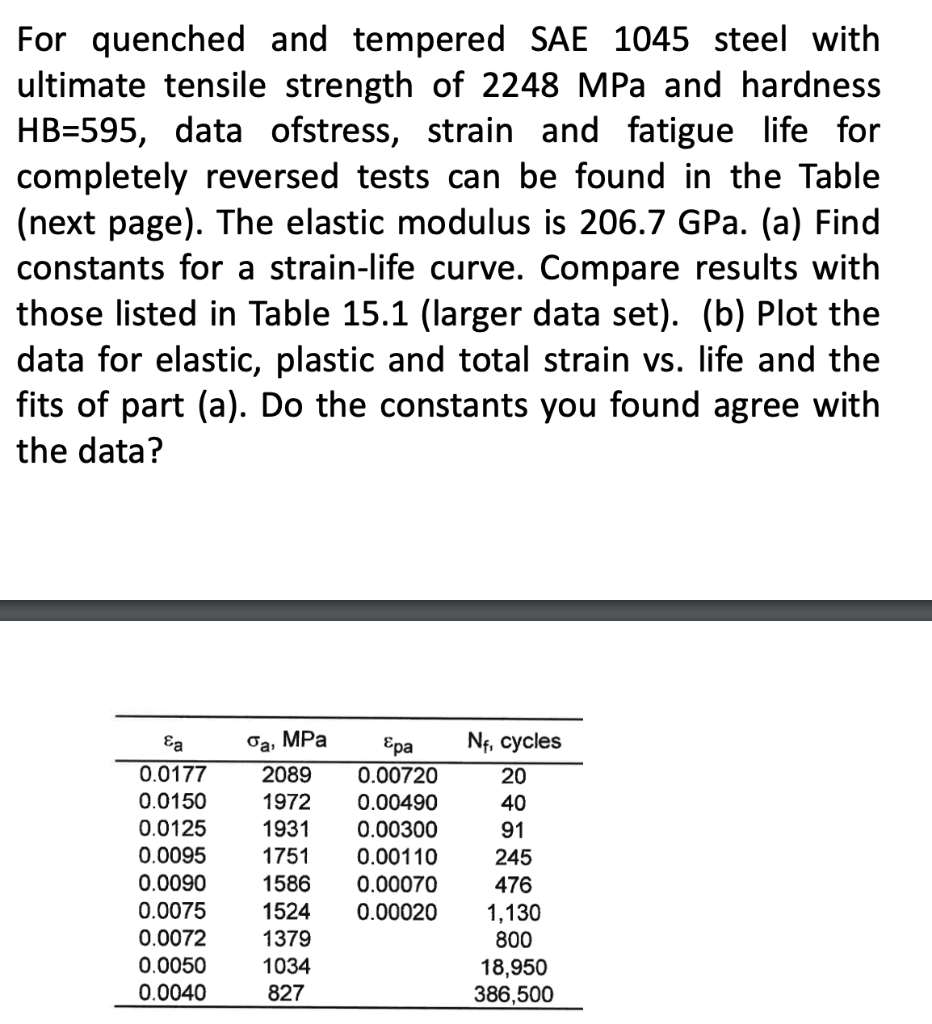
- High Strength: Thanks to the carbon content and heat treatment, it's strong and can handle a lot of stress. Great for things that need to hold up.
- Good Hardness: It resists indentation and wear, making it suitable for applications where durability is key. Think gears and axles.
- Improved Toughness: Tempering dramatically improves its ability to withstand impact and shock. Less likely to crack under pressure.
- Decent Machinability: While not the easiest steel to machine, it's still reasonably workable. You can shape it without too much of a headache.
- Weldability (with precautions): It can be welded, but you need to be careful and use the right techniques. Preheating and post-weld heat treatment are often necessary. Think of it as a delicate dance!
Where is it Used? Applications Galore!
Because of its balanced properties, 1045 quenched and tempered steel is a workhorse in many industries. You'll find it in:
- Gears and Axles: The strength and hardness make it perfect for these critical components.
- Shafts and Spindles: Similarly, its robustness makes it ideal for rotating parts.
- Connecting Rods: The toughness is crucial for withstanding the forces in engines.
- Bolts and Fasteners: Strength is obviously essential here!
- Agricultural Equipment: It can handle the tough conditions of farm work.
A Word of Caution (and a Smile!)
Remember, the exact properties of 1045 quenched and tempered steel can vary depending on the specific heat treatment process used. So, always check the specifications from the manufacturer to make sure it meets your needs.
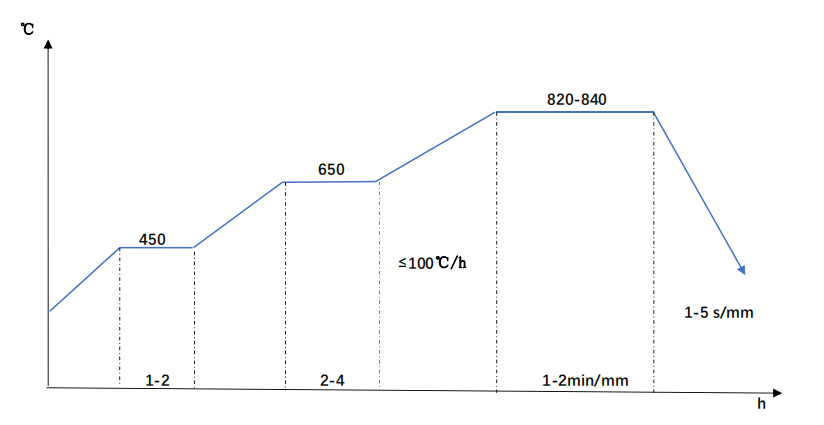
Also, don’t try quenching and tempering steel in your kitchen oven. Trust me, it’s not a good idea. You'll probably just end up with a mess and a very disappointed family. Leave it to the professionals!
The End (But Also the Beginning!)
So, there you have it! A whirlwind tour of 1045 quenched and tempered steel. Hopefully, you now have a better understanding of its properties and applications. It's a versatile and reliable material that plays a vital role in countless industries. And who knows, maybe this newfound knowledge will spark your own engineering adventures! Go forth and create!
Now go impress your friends with your steel expertise. You've earned it! Just don't tell them I told you about the cookie analogy.