
1000 Watt Hour Of Energy Consumption Is Equal To

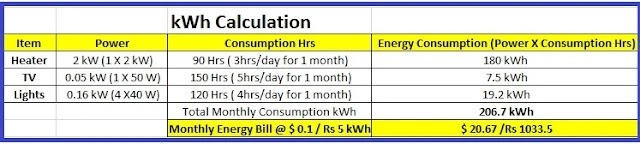
Okay, let's talk about a kilowatt-hour (kWh), that magical unit of energy your electricity bill keeps yelling about. Specifically, 1000 Watt hours. It sounds technical, but it's actually surprisingly relatable. Think of it as a little bundle of power ready to do some seriously useful (or delightfully silly) things.
Baking Up a Storm (Or Just a Cookie)
Imagine your oven. A standard oven might draw around 2000 watts when it's heating up. So, 1000 Watt hours, a kilowatt-hour (kWh) could power your oven for about half an hour. That's enough time to bake a batch of cookies! Think of each little bite as a tiny morsel of stored electricity, transformed into deliciousness. Who knew energy could be so tasty?
Of course, baking times vary, but it’s a fun way to picture energy use. You're not just paying for electricity; you're paying for the joy of warm chocolate chip cookies on a rainy day. That's got to be worth something!
Must Read
Movie Night Marathon
Let's say you're settling in for a movie night with your gigantic, beautiful television. Modern LED TVs are surprisingly energy-efficient. A 55-inch LED TV might only use around 100 watts. That means a kilowatt-hour (kWh) could power your TV for a whopping 10 hours!
That’s enough time for a whole Lord of the Rings marathon, extended edition. Or maybe several rom-coms. It's practically a cinematic energy bargain! So go ahead, dim the lights, grab the popcorn, and bask in the glow of guilt-free entertainment.
Light Up Your Life (And Your Home)
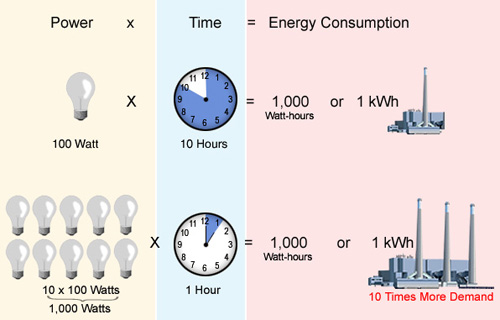
Remember those old incandescent light bulbs? The ones that felt like mini-suns and sucked up energy like it was going out of style? A 100-watt incandescent bulb would burn through a kilowatt-hour (kWh) in just 10 hours.
But with modern LED bulbs, the story is completely different. A comparable LED bulb might only use 10 watts. That means a kilowatt-hour (kWh) could keep that bulb shining brightly for 100 hours! That's over four days of continuous light. Imagine the possibilities! You could read an entire novel, finish that jigsaw puzzle, or even host a 24/7 dance party (earplugs not included).
The Hair Dryer Dilemma
Ah, the hair dryer – a modern convenience that can quickly drain your energy reserves. Many hair dryers draw around 1500 watts. That means a kilowatt-hour (kWh) gives you about 40 minutes of drying time. Is that enough time to achieve that perfect blowout? Maybe. Maybe not. It depends on your hair, your styling skills, and your tolerance for slightly damp hair.
It's a delicate balance between fabulousness and frugality. Choose wisely!
Phone Charging Freedom
Your phone, your lifeline to the world, also needs power. A typical smartphone battery might take around 5 watt-hours to fully charge. This means one kWh (1000 watt-hours) can recharge your phone a staggering 200 times! That's a lot of Instagram scrolling, TikTok watching, and texting. You could probably get through an entire year of charging on just a few kWh!
Just remember to unplug your charger when you're done. Even when not actively charging, those little vampires can still draw a tiny bit of power.
A Thousand Cups of Coffee (Almost)
A standard coffee maker might use around 1000 watts for an hour to brew a whole pot of coffee. That’s right, a kilowatt-hour can brew you a whole pot. The power bill isn't so scary when you're thinking about it as a fuel for coffee! So, think of your morning caffeine fix as being brought to you by the humble kilowatt-hour (kWh). A little jolt of energy for your brain, powered by...well, energy!

Small Appliances Can Add Up
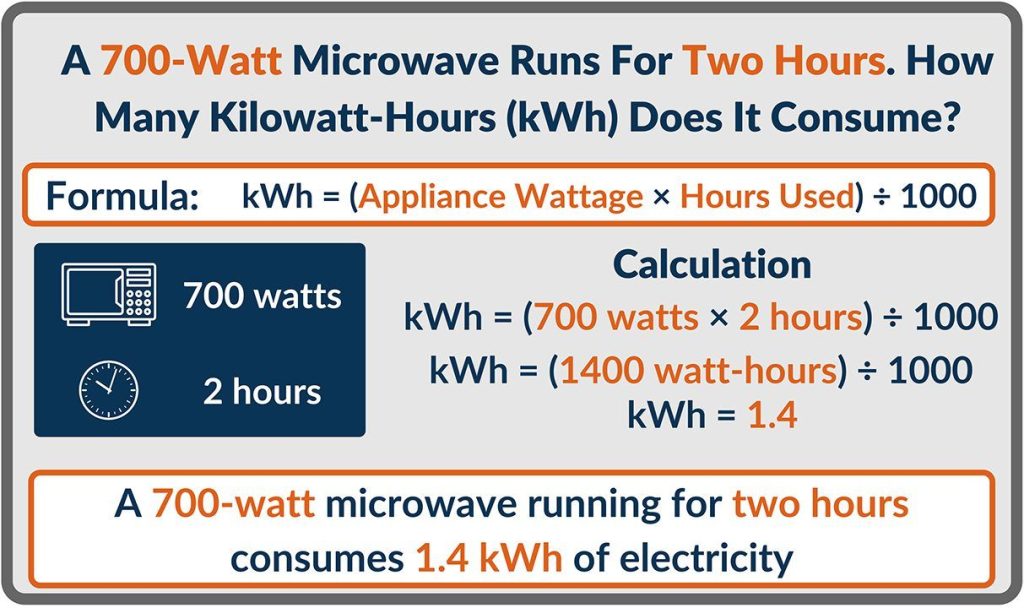
A toaster might run for only a few minutes to make your breakfast, but it uses high power: often around 850 watts. Microwaves are another example of something that is high power in short durations. So be careful not to leave these on for extended periods of time, as this can cause your energy consumption to add up very quickly!
Final Thoughts
So, the next time you see a kilowatt-hour (kWh) mentioned on your electricity bill, don't just see a confusing number. See a batch of cookies, a movie marathon, or weeks of phone charging. See the potential to power your life, one watt-hour at a time. And remember, even the smallest changes in your energy habits can add up to a big difference – both for your wallet and for the planet.
Think of it as your personal energy superpower. Use it wisely!