
10 Advantages And Disadvantages Of Nuclear Energy

Okay, so picture this: I'm at a family dinner, and my uncle, bless his heart, starts going on about how amazing nuclear energy is. "Clean! Efficient! The future!" he declares, brandishing his fork like a scepter. My cousin, a staunch environmentalist, immediately fires back with horror stories of Chernobyl and radioactive waste. The whole thing devolved into a shouting match about boiling water (literally, that's all nuclear plants do – boil water!). It got me thinking, though – what are the real pros and cons of this powerful, somewhat scary-sounding energy source?
Let's dive into the electrifying world of nuclear energy – pun absolutely intended. Get ready for a balanced look at the good, the bad, and the potentially radioactive.
Advantages of Nuclear Energy:
1. Low Greenhouse Gas Emissions: This is the big one, right? Nuclear power plants don't burn fossil fuels, so they produce very little in the way of greenhouse gases during operation. A huge plus in our fight against climate change. Think of it as a superhero in disguise – silently saving the planet (hopefully!).
Must Read
2. High Power Output: Nuclear power plants are powerhouses. A single plant can generate a massive amount of electricity, capable of powering entire cities. We're talking serious juice here!
3. Reliability: Unlike solar or wind, nuclear power doesn't depend on the weather. It's a steady Eddie. Rain or shine, night or day, nuclear plants keep humming along, providing a consistent energy supply. No more power outages when the wind stops blowing!
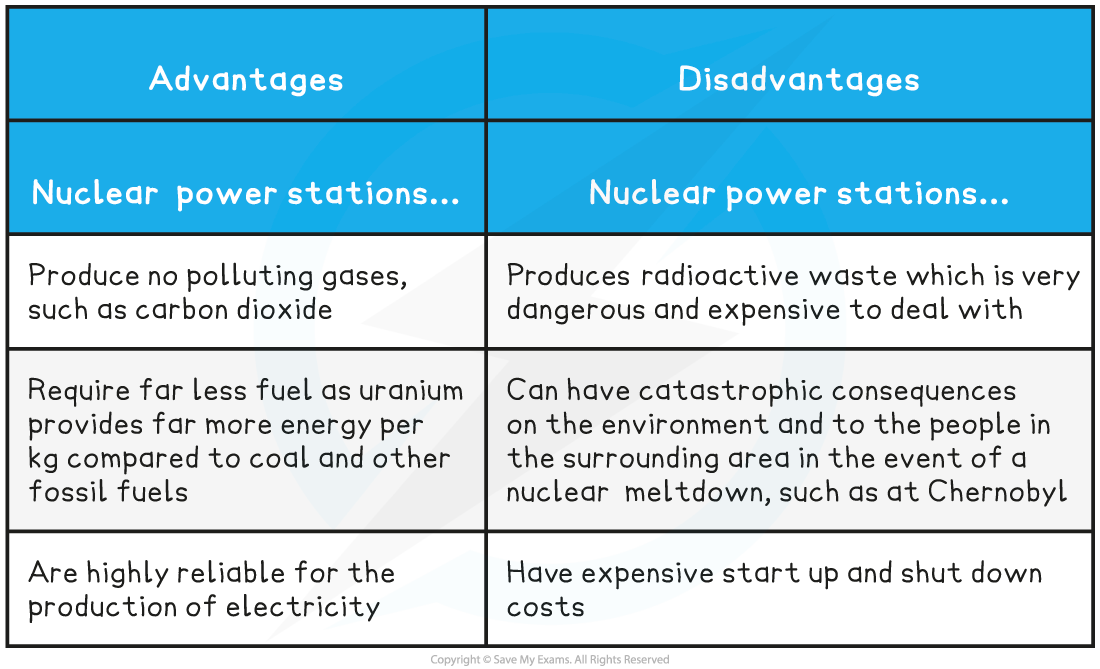
4. Fuel Efficiency: A small amount of uranium can produce a huge amount of energy. This means less mining and transportation compared to fossil fuels. Less digging = less environmental disruption.
5. Job Creation: Building and maintaining nuclear power plants creates a significant number of jobs, from engineers and scientists to construction workers and security personnel. A boost to the economy is always welcome!
Disadvantages of Nuclear Energy:
1. Nuclear Accidents: Okay, let's address the elephant in the room: accidents. Chernobyl, Fukushima… these are names that conjure up images of disaster. While extremely rare, nuclear accidents can have devastating consequences. The potential risk is undeniably scary.
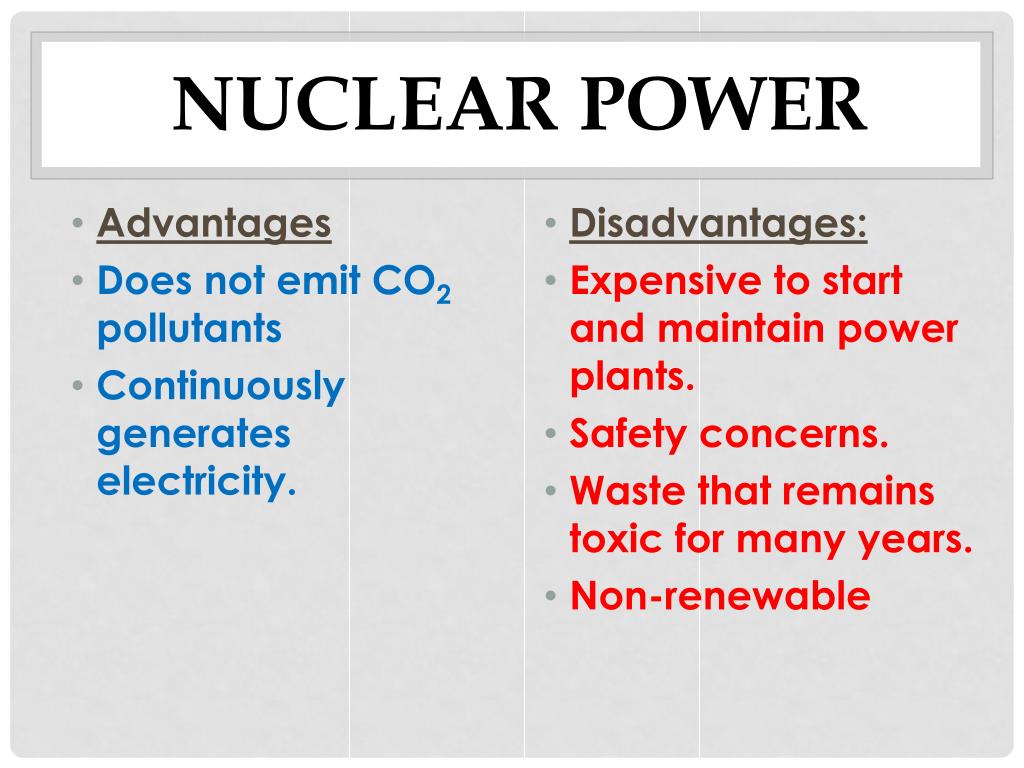
2. Radioactive Waste: This is a major challenge. Nuclear power plants produce radioactive waste that remains dangerous for thousands of years. Figuring out where and how to safely store this waste is a huge ongoing problem. (And honestly, it's not a very glamorous job.)
3. High Initial Costs: Building a nuclear power plant is incredibly expensive. We're talking billions of dollars. This high upfront cost can be a barrier to entry and make nuclear power less competitive compared to other energy sources. Ouch, my wallet!
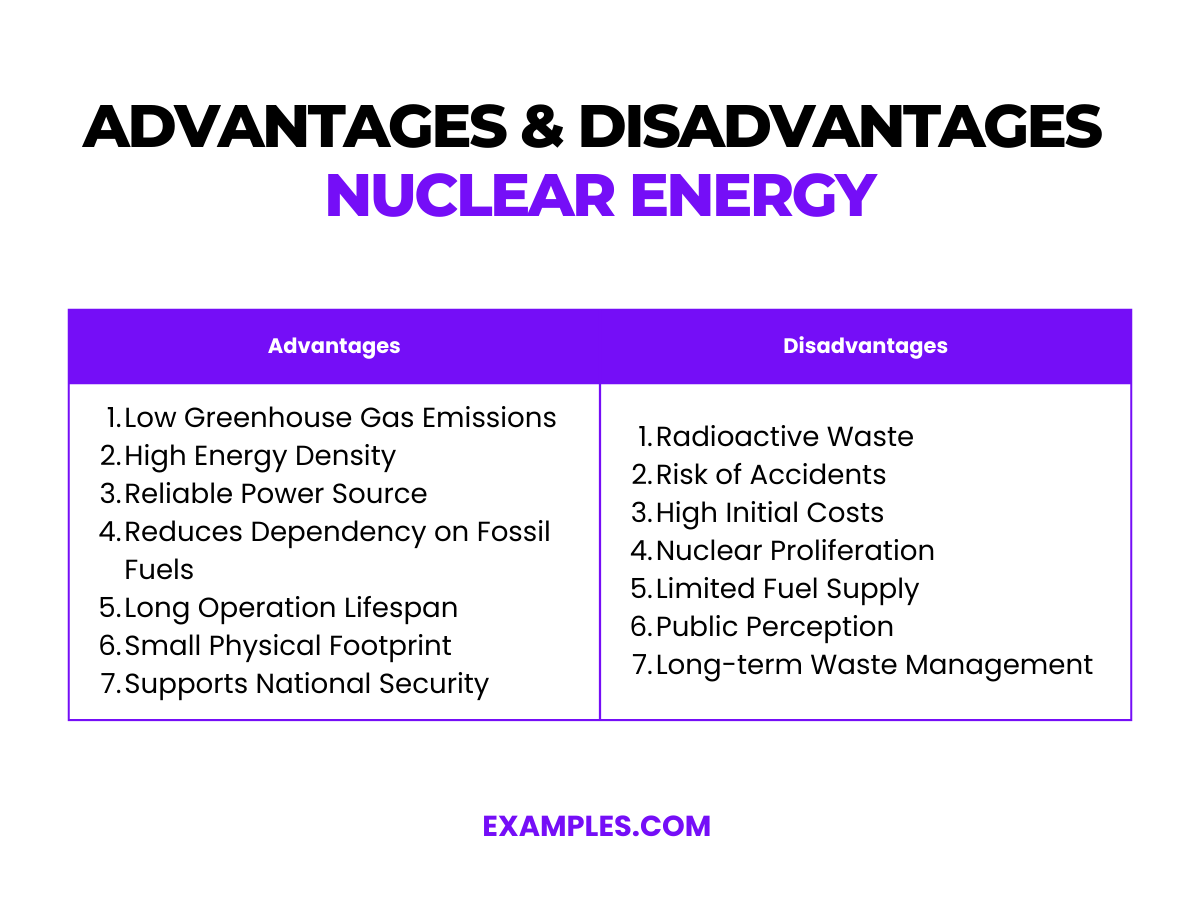
4. Nuclear Proliferation: The technology used in nuclear power plants can also be used to create nuclear weapons. This raises serious concerns about nuclear proliferation and the potential for misuse. A scary thought indeed.
5. Public Perception: Let's be honest, nuclear energy has an image problem. The fear of accidents and the stigma associated with radiation make it difficult to gain public support for new nuclear power plants. Changing minds is a tough nut to crack.
So, there you have it – the good, the bad, and the radioactive. Nuclear energy is a complex issue with both significant advantages and serious drawbacks. It's not a silver bullet solution to our energy problems, but it's also not the monster that some people make it out to be. Maybe, just maybe, with ongoing research and improved safety measures, nuclear can be a responsible part of a diverse energy portfolio. But hey, what do I know? I’m just the person who got stuck in a nuclear-fueled family debate!
