
10 2 Or 10 3 Wire For Mini Split

Alright, gather 'round, folks, because we've all been there. You're deep into a home project, feeling like a certified genius, YouTube tutorials playing in the background like your personal theme music. You just need to connect X to Y, and then – bam! – you hit a snag. A tiny, seemingly insignificant detail that suddenly makes your brain feel like it's trying to solve a Rubik's Cube while riding a unicycle. For me, it was trying to figure out if a certain outlet in my garage was on a dedicated circuit. A quick peek at the breaker panel and a lot of head-scratching later, I realized I needed a pro. Sometimes, what seems like a simple two-wire connection can actually be a whole lot more complex. And trust me, when it comes to something like wiring your shiny new mini-split, you definitely don't want to play guessing games.
The Mini-Split Dream (and the Wiring Headache)
So, you've decided to join the cool club and get a mini-split. Awesome choice! These things are fantastic – efficient, quiet, and give you that sweet, sweet zone control. No more cooling an entire empty house just because you want your bedroom to be an arctic paradise. But then you start looking at the installation, specifically the electrical bits, and your eyes might just glaze over. The big question often pops up: do I need 10/2 wire or 10/3 wire for this bad boy? And honestly, it’s a valid head-scratcher because the answer isn't always as simple as "just pick the thicker one."
Let's break it down, shall we? Because while both are copper wires tucked inside a protective jacket, what's inside that jacket makes all the difference, especially for a modern marvel like a mini-split.
Must Read
10/2 Wire: The "Simple" Path?
When you hear "10/2 wire," it generally means you've got three conductors inside that sheath: one hot, one neutral, and one ground. The "10" refers to the gauge of the wire (the lower the number, the thicker the wire, and the more amperage it can safely handle – usually up to 30 amps for 10-gauge). The "2" means two current-carrying conductors (the hot and the neutral) plus a bare ground wire, which is always there for safety but doesn't count towards the "number" in the wire designation.
This type of wire is perfect for many standard 240-volt appliances that just need power – think electric water heaters, some older dryers, or simple electric furnaces. It's basically an "on/off" switch for power. If your mini-split were a super basic, single-speed unit that just needed a constant flow of juice, 10/2 might theoretically work for its power supply, assuming the amperage draw fits. But here’s the kicker, and it’s a big one: most modern mini-splits aren't that simple.

10/3 Wire: The Modern Necessity
Now, let's talk about 10/3 wire. This one comes with two hot wires, one neutral wire, and one ground wire. See the difference? That extra current-carrying conductor is where the magic (and sometimes the confusion) happens. While mini-splits are often 240-volt appliances, they don't typically need two separate 120V legs that 10/3 might suggest for a traditional 240V appliance like an electric range.
So, what's that extra wire for? Ah, my friend, this is the secret sauce: communication.
Modern mini-splits are smart. Like, really smart. The indoor unit (the head) and the outdoor unit (the condenser) aren't just sending power; they're constantly chatting. They're telling each other about temperature fluctuations, adjusting compressor speeds, reporting diagnostic codes, and generally making sure your comfort is optimized and your energy bill stays reasonable. This intricate dance of data often requires a dedicated communication wire, which is usually one of those "extra" conductors in your 10/3 wire.
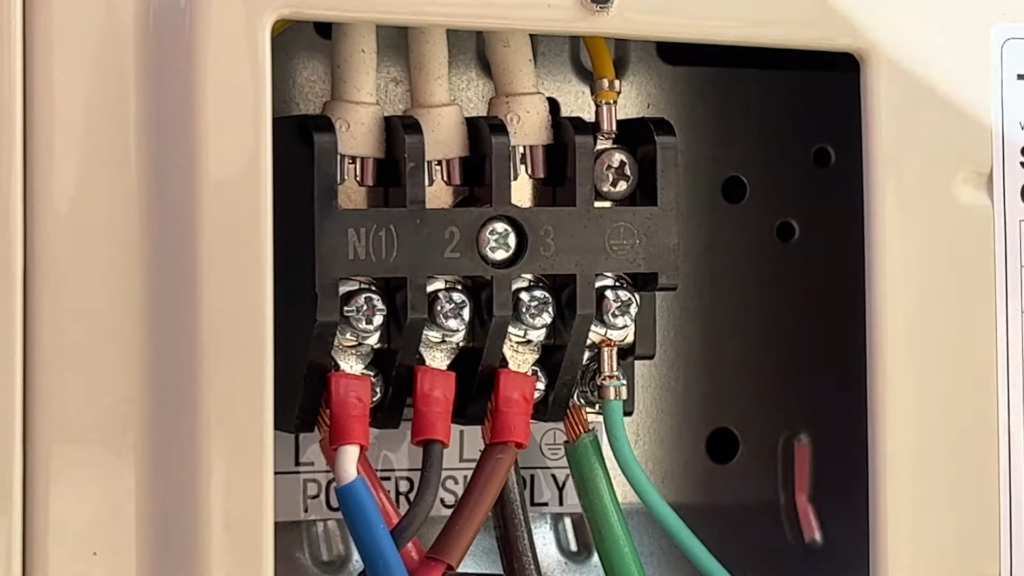
So, even if your mini-split only draws, say, 15 amps (which would technically fit on a 14-gauge or 12-gauge wire for power), the fact that it needs to communicate means you'll almost certainly need that extra wire, pushing you towards 10/3 wire for a standard 30-amp circuit. It's not just about power delivery; it's about the central nervous system of your HVAC system.
Why The Confusion, You Ask?
The confusion often stems from a few places. Firstly, not all mini-splits are created equal. Some older models or very basic, non-inverter-driven units might get away with 10/2, but these are increasingly rare. Secondly, electrical codes and manufacturer instructions can vary. And thirdly, the internet is a vast place, full of well-meaning but sometimes misinformed advice. (No offense to Bob from Reddit, but your house might blow up if I follow your advice verbatim).
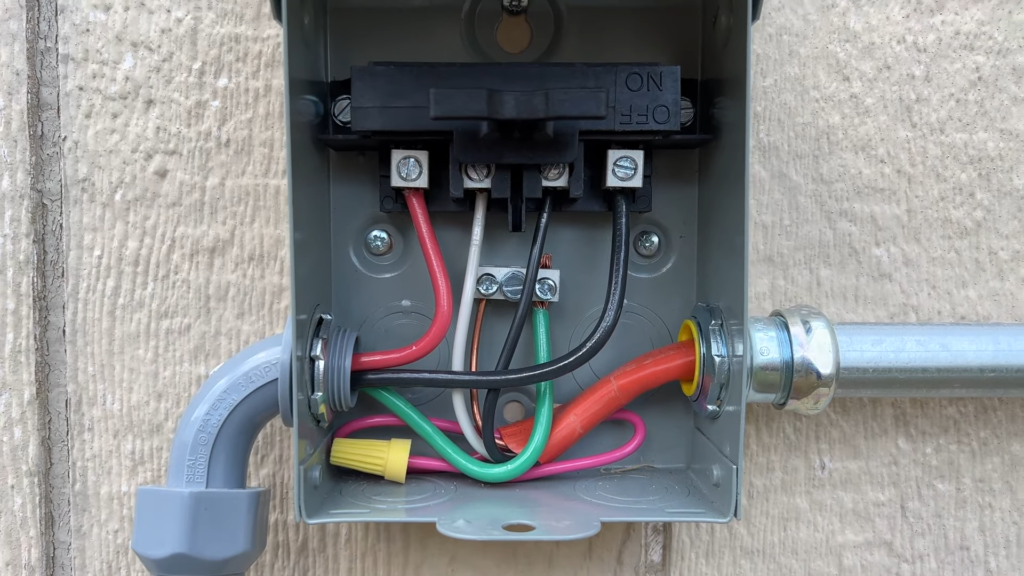
The absolute, undeniable, non-negotiable best practice here is to always consult your mini-split's installation manual. Seriously, it's not just a suggestion. That manual will explicitly state the required wiring – not just the gauge, but the number of conductors. If it says "2-wire plus ground" for the communication, you'll need that 10/3. If it specifies "power and signal" connections, you're likely looking at 10/3.
Seriously, Don't Skimp on Safety
Electrical work isn't like assembling IKEA furniture. A wrong connection can cause serious damage, fire, or even electrocution. If you're even slightly unsure, please, for the love of all that is comfortable and cool, hire a qualified electrician. They understand local codes, manufacturer specifications, and how to safely wire things up so you don't end up with a very expensive paperweight or, worse, a hazard.
In conclusion, while 10/2 wire might seem like the straightforward option for a 240-volt appliance, for the vast majority of modern mini-splits, 10/3 wire is the correct and necessary choice. It’s not just about getting power to the unit; it’s about allowing the indoor and outdoor components to talk to each other, ensuring optimal performance and efficiency. So, read that manual, maybe give a pro a call, and get ready to enjoy that perfectly climate-controlled bliss!
