1 8 7018 Welding Rod Amperage
Ever picked up a welding rod and felt like you're holding a magic wand, ready to conjure up some serious metal magic? If you have, chances are you've crossed paths with the venerable 7018. It's the kind of rod that gets a nod of approval from seasoned pros and is often the first 'big boy' rod many DIYers learn to love. Today, we're diving into the juicy details of its 1/8-inch variant, specifically, its amperage sweet spot – because even a superhero needs the right power settings to save the day.
The 7018 isn't just any welding rod; it's a legend. Known for its low-hydrogen coating, it produces welds that are incredibly strong, ductile, and resistant to cracking. This makes it a go-to for critical applications, from heavy machinery repair to structural fabrication. It’s the trusty sidekick you want when strength and integrity are non-negotiable. Think of it as the sturdy oak tree in the forest of welding electrodes – robust and reliable.
Finding Your Amperage Harmony for 1/8 7018
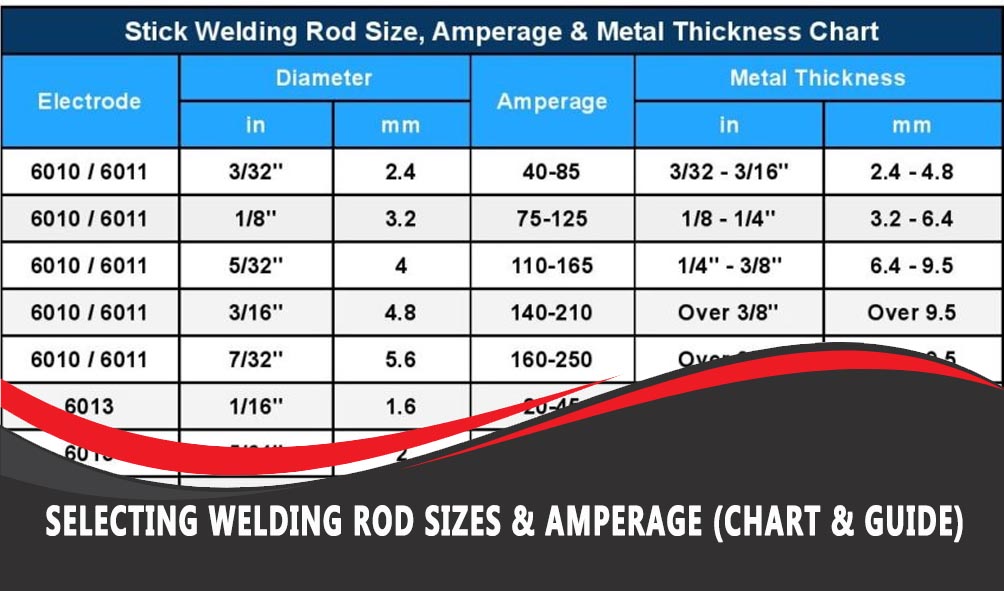
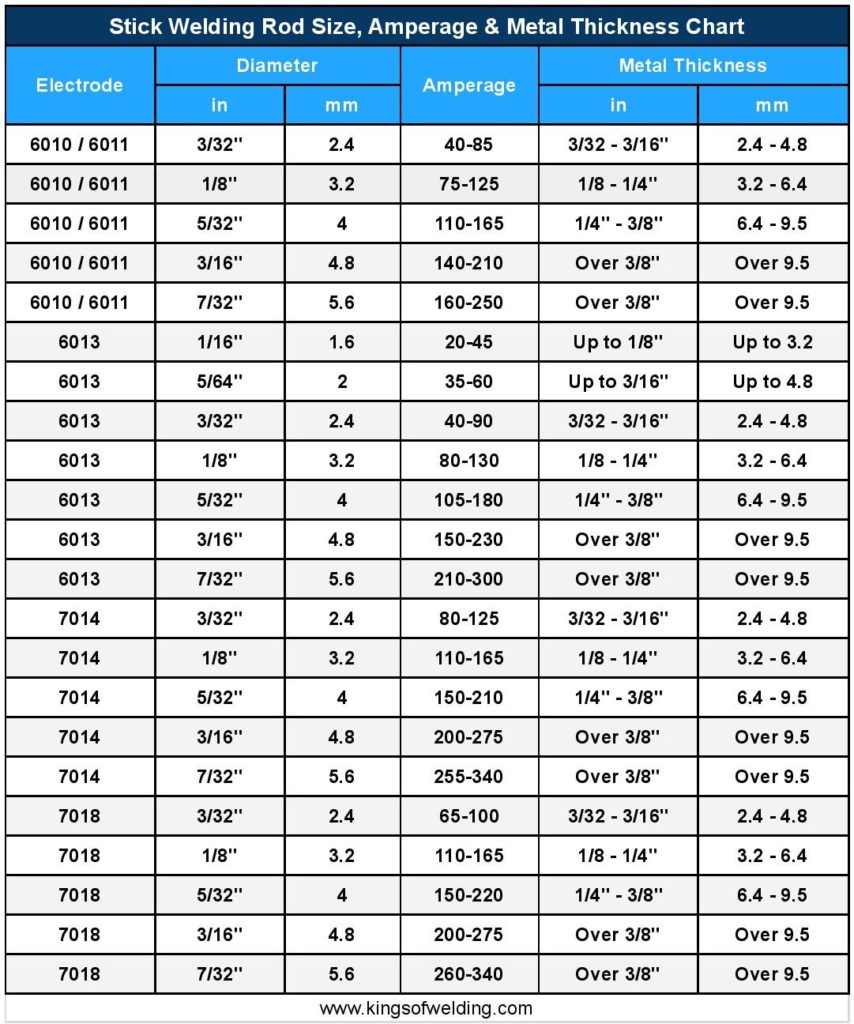
So, you've got your 1/8-inch 7018 rod ready, your machine is humming, and you're wondering, "What's the magic number?" For a 1/8-inch 7018 electrode, the general amperage range typically hovers between 90 to 140 amps. Now, before you punch in 115 and call it a day, remember, this is a starting point, not a definitive command etched in steel.
Must Read
Why a range, you ask? Because welding, much like life, is full of variables! The thickness of your material, the welding position (flat, horizontal, vertical up, overhead – yes, it matters!), the type of welding machine you're using (AC vs. DC, old transformer vs. modern inverter), and even your personal travel speed all play a starring role.
Practical Tips for Dialing It In
Here’s a little secret from the pros: when in doubt, start a bit lower than the recommended range and slowly increase. You're looking for that perfect balance where the arc is stable, the puddle is manageable, and the finished bead looks like a string of perfectly aligned dimes.
- Listen to the Sizzle: A happy weld has a crisp, consistent crackle, like bacon frying on a Sunday morning. If it’s too quiet and sputtery, your amps might be too low. If it’s screaming like a banshee and throwing molten shrapnel everywhere, it’s probably too high.
- Watch the Puddle: The molten puddle is your best friend. For 7018, you want a smooth, creamy puddle that wets out nicely into the base metal, leaving a clean, uniform bead behind. If it's chunky and doesn't spread, crank up the heat slightly. If it's super fluid and trying to drip through your material, dial it back.
- Test, Test, Test: Always, always use scrap pieces of the same material and thickness you'll be welding. This is your personal amphitheater for experimentation. Adjust your amperage, make a bead, let it cool, and inspect it. Cut it, break it, do whatever you need to understand how different settings affect the final product. It's like baking – you don't just throw ingredients together; you taste-test!
Fun Facts & Cultural Nods
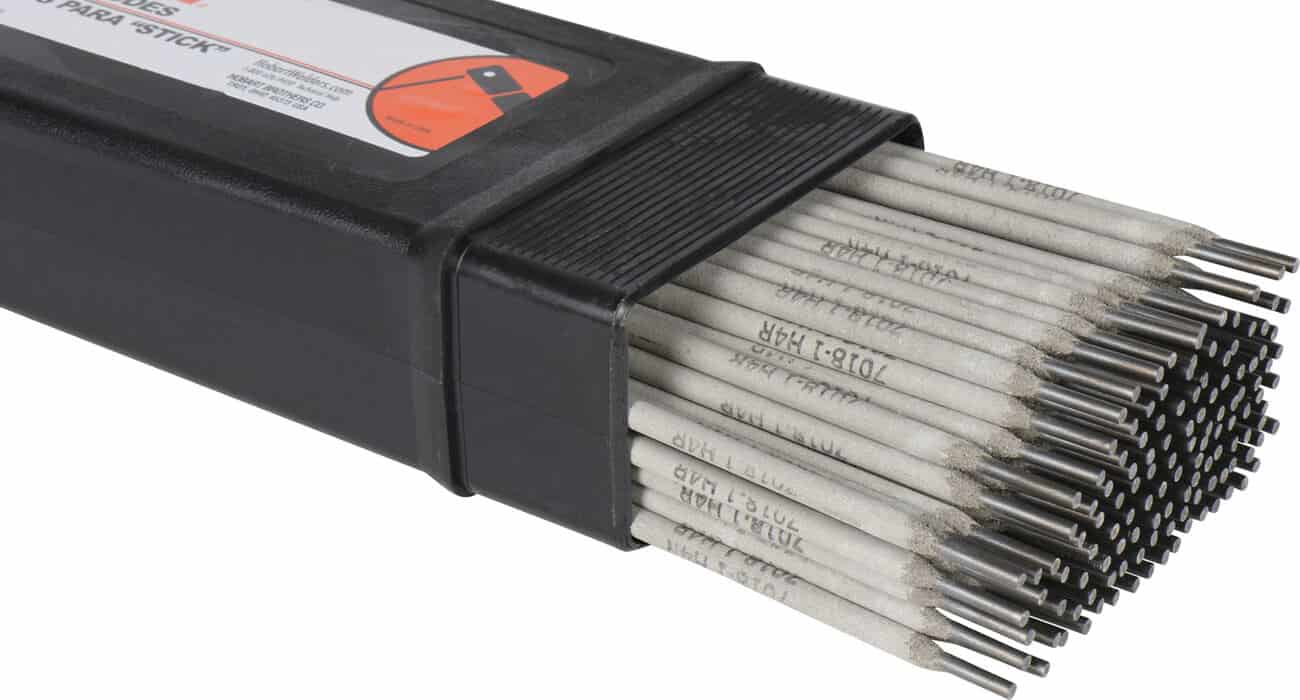
Did you know the "70" in 7018 stands for 70,000 pounds per square inch (PSI) of tensile strength? That's seriously strong! The "1" tells you it can be welded in all positions (flat, horizontal, vertical, overhead), and the "8" indicates its low-hydrogen, iron powder coating, which helps produce a very smooth arc and excellent bead appearance.
Welding with 7018, especially when you get that amperage just right, feels incredibly satisfying. There's a reason welders are often seen as modern-day sculptors, turning raw metal into functional art or critical structures. Mastering the 7018 is a rite of passage, a badge of honor in the DIY and professional fabrication world. It's about precision, patience, and a bit of fiery finesse.
When Things Go Awry: Troubleshooting Amperage
Amperage too low? You'll experience sticking of the electrode, poor fusion, and a lumpy, ropey bead that looks cold and ugly. It’s like trying to cook a steak on a lukewarm pan – it just won't work.
Amperage too high? Prepare for burn-through (especially on thinner materials), excessive spatter that sticks like glitter to a craft project, undercut along the edges of your weld, and a puddle that’s so watery it’s hard to control. Plus, you risk weakening the metal around the weld.

Remember, safety first! Always wear appropriate PPE – helmet, gloves, jacket – because sparks don't care about your fashion sense.
A Little Reflection on the "Sweet Spot"
Much like finding the perfect amperage for your 1/8 7018 rod, life often asks us to find our own "sweet spot." Whether it's balancing work and play, finding the right pace for a new hobby, or even just brewing that perfect cup of coffee, it's all about adjustment, observation, and a willingness to tweak the settings until you hit that harmonious groove. Embrace the journey of discovery, both in welding and in life, and you'll find that with a little practice, finding that perfect setting becomes second nature. Happy welding!
K